- Offshore wind still leads the non-nuclear clean energy pipeline.
- Grid and transmission upgrades are now central to clean power delivery.
- Hydrogen and carbon capture are moving into real project delivery.
- Demand is rising for HV, EC&I, civils, process and commissioning talent.
The UK’s clean energy pipeline is much wider than nuclear.
Offshore wind, grid transmission, hydrogen, carbon capture, long-duration storage and clean power manufacturing are all creating major engineering and construction demand across the country.
For candidates, this means more routes into clean energy from sectors such as oil and gas, process, utilities, manufacturing and heavy industry. For employers, it means competition for experienced technical people is becoming more intense across several sectors at once.
Here is our countdown of seven major UK clean energy projects that are not nuclear.
7. Sumitomo Electric Subsea Cable Factory at Port of Nigg
Sector: Clean Power Manufacturing
Location: Port of Nigg, Scottish Highlands
Estimated Value: £350 Million
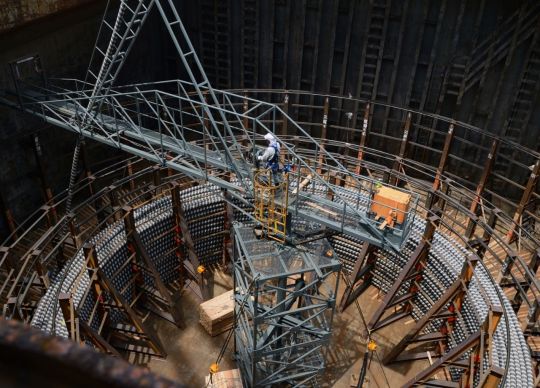
The clean energy transition is not only about building wind farms and power stations. It also depends on having the manufacturing capacity to produce the cables, systems and components needed to connect new generation to the grid.
That is why Sumitomo Electric’s planned subsea cable factory at the Port of Nigg earns a place on this list.
The £350m facility is expected to create more than 200 direct jobs once fully operational. According to Sumitomo Electric, the factory will support high-voltage cable production, a critical part of the UK’s transmission build-out.
The project has also been linked to future cable supply for National Grid’s Sea Link project, further underlining its role in the UK’s clean power supply chain.
The Talent Demand: Manufacturing engineers, production planners, cable specialists, electrical maintenance engineers, quality professionals, HSE teams and supply chain specialists will all be important as the facility moves from construction into commissioning and operational ramp-up.
6. Coire Glas Pumped Storage Hydro
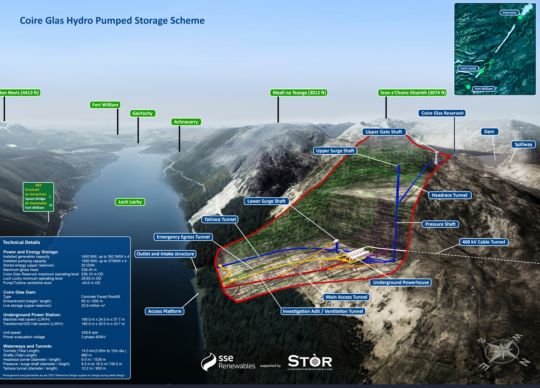
Sector: Hydro and Long-Duration Storage
Location: Loch Lochy, Scottish Highlands
Estimated Scale: Up to 1.5GW and around 30GWh
Coire Glas is one of the most significant long-duration energy storage projects in the UK pipeline.
Led by SSE Renewables, the proposed pumped storage hydro scheme would use water stored at height to generate electricity when the grid needs it most. That flexibility becomes increasingly important as more renewable power is added to the system.
According to SSE’s 2025/26 full-year results statement, Coire Glas had progressed through Ofgem’s cap-and-floor project assessment stage in 2026. The project is fully consented, but still depends on the right investment and regulatory framework to support delivery.
If it moves ahead, Coire Glas would bring a very different workforce profile to the clean energy market. It is not a turbine array, converter station or process plant. It is a major civil engineering and hydro infrastructure project in a challenging environment.
The Talent Demand: Civil engineers, geotechnical specialists, tunnelling professionals, hydro-mechanical engineers, electrical engineers, project controls, environmental specialists, HSE teams and commissioning professionals would all be central to delivery.
5. EET Hydrogen HPP1
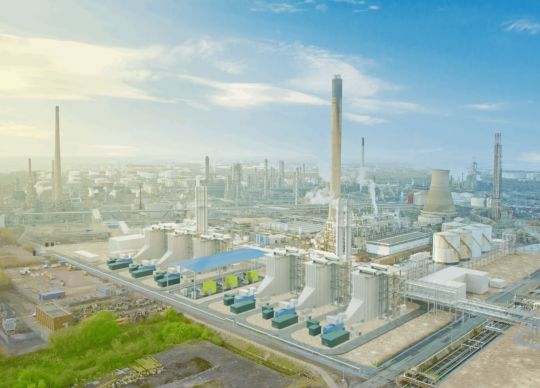
Sector: Hydrogen
Location: Stanlow Manufacturing Complex, Ellesmere Port
Estimated Scale: 350MW
EET Hydrogen HPP1 is one of the clearest examples of low carbon hydrogen moving from concept into delivery.
The project is planned for the Stanlow Manufacturing Complex in Ellesmere Port and is designed as a 350MW low carbon hydrogen production plant. EET Hydrogen says the plant is expected to capture around 600,000 tonnes of CO2 each year.
In January 2025, EET Hydrogen announced an EPC contract with ENKA, with production targeted from 2027. The company has also reported more than 30 customer agreements, giving the project a stronger commercial base than many earlier-stage hydrogen schemes.
For the North West, this is a major clean energy and industrial decarbonisation story. It also creates a practical route for engineers with experience in process plant, oil and gas, chemicals, utilities and heavy industry to move into the hydrogen economy.
The Talent Demand: Process engineers, mechanical and piping engineers, EC&I specialists, control systems engineers, project controls, construction managers, process safety professionals, commissioning engineers and plant operations teams are likely to be in demand as the project progresses.
4. Eastern Green Link 2
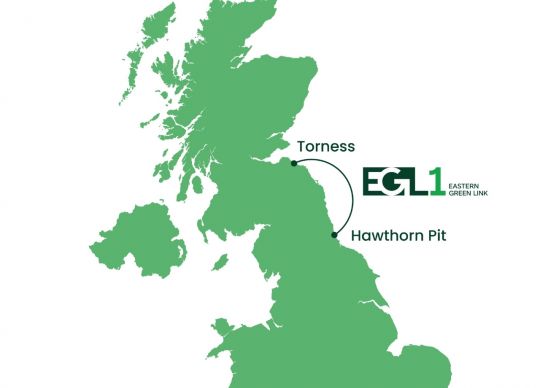
Sector: Grid and Transmission
Location: Peterhead, Aberdeenshire to Drax, North Yorkshire
Estimated Value: £3.4 Billion Provisional Funding Package
Eastern Green Link 2 is a major high-voltage direct current electricity link between Scotland and England.
The project will connect Peterhead in Aberdeenshire with Drax in North Yorkshire, helping move renewable electricity from Scotland to demand centres further south. According to SSEN Transmission, the link includes around 436km of subsea cable and around 70km of onshore cable.
In 2024, Ofgem announced a provisional £3.4bn funding package for the project. Construction activity was continuing in 2026, with the operational target remaining 2029.
This is a key point for the clean energy jobs market. Generation projects often get the headlines, but the UK cannot use that power at scale without major transmission upgrades.
Eastern Green Link 2 shows how much of the future clean energy workforce will sit in grid, cable, converter and substation delivery.
The Talent Demand: HVDC specialists, electrical engineers, cable engineers, civil engineers, marine and geotechnical specialists, project planners, interface managers, HSE teams, quality professionals and commissioning engineers will all be important across the programme.
3. Hornsea 3 Offshore Wind Farm
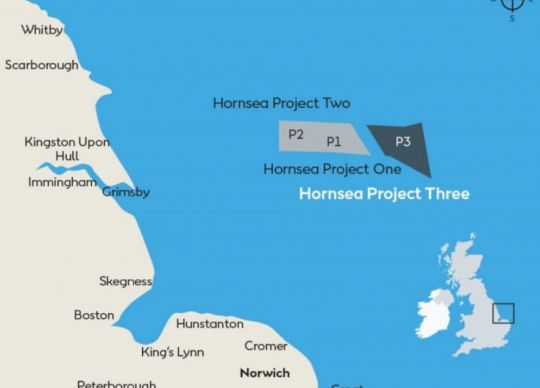
Sector: Offshore Wind
Location: Offshore Norfolk and Yorkshire, with onshore works in Norfolk
Estimated Value: Around £8.5 Billion
Hornsea 3 is one of the UK’s largest offshore wind projects.
Ørsted took final investment decision on the project in December 2023, describing Hornsea 3 as a 2.9GW offshore wind farm. Once complete, it will form part of the wider Hornsea offshore wind zone, one of the most recognisable clean energy clusters in the UK.
The project has a major onshore and offshore delivery footprint. Through 2026, activity continued across onshore cable route works, converter station work and reinstatement activity, as shown in Ørsted’s spring 2026 project briefing pack.
For engineering candidates, Hornsea 3 is a strong example of how offshore wind creates demand well beyond the turbines themselves. Cable routes, landfall works, converter stations, substations, civils, environmental management and commissioning all sit within the delivery picture.
The Talent Demand: Civil engineers, cable installation specialists, HV engineers, substation and converter station professionals, environmental teams, project planners, HSE specialists, quality professionals and commissioning engineers are all likely to be important across the delivery phase.
2. Net Zero Teesside Power and Northern Endurance Partnership
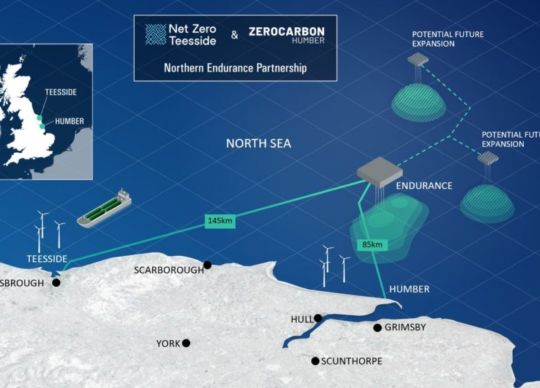
Sector: Carbon Capture and Low Carbon Power
Location: Teesside and the Southern North Sea
Estimated Value: Around £4 Billion
Net Zero Teesside Power and the Northern Endurance Partnership are among the UK’s most important carbon capture and industrial decarbonisation projects.
The scheme combines low carbon power generation with carbon capture, transport and offshore storage infrastructure. According to bp, Net Zero Teesside Power is designed to provide up to 860MW of flexible low carbon power, with captured carbon transported and stored under the North Sea.
In December 2024, bp announced financial close for Net Zero Teesside Power and the Northern Endurance Partnership. bp had previously confirmed the projects after development consent was granted in 2024.
This is a major project for Teesside, but it is also important nationally. It shows how carbon capture is moving into delivery around industrial clusters, not remaining as a distant policy concept.
For the talent market, it is one of the strongest non-nuclear clean energy projects because it brings together process engineering, power generation, pipelines, compression, civils, offshore storage and commissioning.
The Talent Demand: Process engineers, mechanical engineers, rotating equipment specialists, EC&I engineers, pipeline specialists, civil engineers, project controls, construction managers, process safety professionals, HSE teams, quality specialists and commissioning professionals will all be central to delivery.
1. Dogger Bank Wind Farm
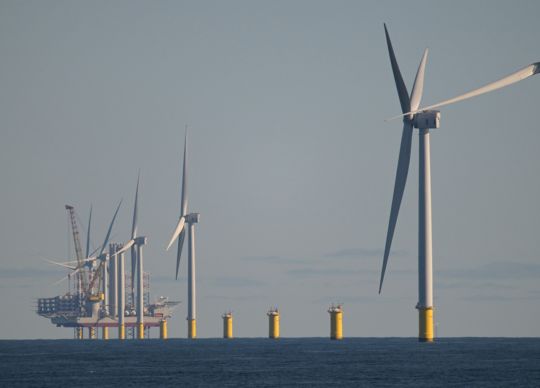
Sector: Offshore Wind
Location: North Sea, off Yorkshire and North East England
Estimated Value: Around £9 Billion
Dogger Bank Wind Farm takes the top spot.
At 3.6GW, Dogger Bank is described by the project as the world’s largest offshore wind farm. It is being developed in three phases, Dogger Bank A, B and C, by SSE, Equinor and Vårgrønn.
The project is already producing power, while construction and commissioning continue across the wider programme. According to Dogger Bank updates, turbine installation at Dogger Bank A was completed in February 2026, with further installation and commissioning activity progressing across the later phases.
Dogger Bank stands out because of its scale, delivery complexity and broad supply chain impact. It includes offshore turbine installation, subsea cable work, ports, logistics, high-voltage direct current infrastructure, onshore connection works, commissioning and long-term operations.
For engineers and technical specialists, it is one of the clearest examples of how large offshore wind projects are creating long-term demand across multiple disciplines.
The Talent Demand: Offshore construction managers, marine coordinators, civil engineers, mechanical and electrical installation specialists, EC&I engineers, HV and grid specialists, subsea cable professionals, project controls, planners, HSE teams, quality specialists, commissioning engineers and operations professionals are all relevant to a project of this scale.
Frequently Asked Questions
What are the biggest UK clean energy projects that are not nuclear?
Some of the biggest non-nuclear UK clean energy projects include Dogger Bank Wind Farm, Hornsea 3 Offshore Wind Farm, Eastern Green Link 2, Net Zero Teesside Power, the Northern Endurance Partnership, EET Hydrogen HPP1 and Coire Glas pumped storage hydro.
Which clean energy projects are creating engineering jobs in 2026?
Offshore wind, grid transmission, carbon capture, hydrogen and long-duration storage projects are all creating demand for engineering and technical skills in 2026. The strongest hiring areas include HV electrical engineering, EC&I, civil engineering, process engineering, project controls, HSE, quality and commissioning.
What skills are needed for offshore wind projects?
Offshore wind projects need a mix of marine, electrical, civil and mechanical expertise. Common requirements include offshore construction management, cable installation, high-voltage systems, substations, commissioning, project planning, HSE, quality and operations support.
Why are grid projects important for clean energy jobs?
Grid projects are essential because renewable electricity must be moved from where it is generated to where it is needed. Projects such as Eastern Green Link 2 create demand for HVDC specialists, electrical engineers, cable engineers, civil engineers, converter station teams and commissioning professionals.
Can engineers move from oil and gas into clean energy?
Yes. Many clean energy projects need skills that are already common in oil and gas, process, chemicals, utilities and heavy industry. Hydrogen, carbon capture and offshore wind all require experience in safety-critical environments, mechanical systems, EC&I, process plant, commissioning, project controls and construction delivery.
Partner With Millbank
The UK clean energy pipeline is creating demand across offshore wind, transmission, hydrogen, carbon capture, storage and clean power manufacturing.
For Clients: If your project is scaling and you need permanent or contract technical support, Millbank can help you build the right workforce across engineering, construction and project delivery. Contact our team to discuss your hiring plans.
For Candidates: If your background is in civils, EC&I, HV, process, commissioning, quality, HSE or project controls, your skills could be highly relevant to the clean energy market. Submit your CV and speak to our team about your next move.